The Smoothie Diet 21 Day Program: Is It Worth Trying for Weight Loss?
What the 21 Day Smoothie Diet actually asks of you
When people ask about the Smoothie Diet 21 day program, they usually mean one thing: “Is this realistic enough to help me lose weight, and will I be hungry the whole time?”
The program is built around swapping out meals for smoothies for a set stretch, with the goal of creating a calorie deficit while also nudging your food choices toward more whole, less processed options. In practice, that means you are not just drinking smoothies for extra nutrition. You are using them as structure, at least for part of each day.
What stands out from my experience watching friends and clients try this kind of plan is how quickly the body adjusts to routine. The first few days are often the hardest. Not because smoothies are “bad,” but because most people’s eating patterns are not built around drinking calories. Your stomach and blood sugar rhythm take a few days to settle, and cravings can show up right on schedule, like they have an appointment.
A realistic way to think about the 21 day smoothie challenge is this: it is an intensive reset more than a permanent lifestyle. You are borrowing momentum for a short window, then you need a plan for what happens after. If you treat it like a standalone event with no transition, the scale can reflect that later, especially if your normal eating returns unchanged.
The weight loss mechanism: why smoothies can work, and where they can backfire
Smoothies can support weight loss because they tend to reduce decision fatigue and make portion control easier. When you pre-plan drinks, you remove a lot of the “I’ll have just a little” behavior that quietly adds up across a week.
There’s also a satiety factor. If the smoothies are built with enough fiber from fruit, vegetables, and chia or similar ingredients, they can be filling. I’ve seen people do better with smoothies than with snack bars because the texture feels more substantial, and because they can slow down their drinking when they actually feel full.
But here are the places the plan can quietly backfire, especially if someone is already struggling with weight loss:
- Calorie creep: If smoothies end up heavy on juice, honey, condensed sweeteners, or large portions of nut butters, the calorie deficit disappears. Weight loss stalls, and people assume the diet “doesn’t work.”
- Not enough protein: Many smoothie blends lean sweet and watery. If protein is too low, hunger can return fast, and energy can dip. You end up snacking again, even while staying “on plan” in theory.
- All-or-nothing mindset: Some people lose steam around day 10 or 14, then they either quit or compensate the next day. Consistency matters more than perfect adherence.
If your goal is weight loss, the question is not whether smoothies are healthy in general. The question is whether your specific smoothies land in the calorie and protein range that helps you stay full and keep your deficit.
A quick reality check on “worth trying”
For many people, the Smoothie Diet 21 day review conversations focus on results. But what matters more than dramatic before-and-after photos is whether the program helps you learn what triggers overeating and how to build a routine you can maintain.
If you tend to overeat at night, a structured smoothie schedule can curb that. If you tend to graze all afternoon, you might need more protein and fiber earlier in the day, otherwise your cravings catch up. The 21-day structure can still help, but only if the smoothies are dialed in to your hunger patterns.
What results look like during and after the 21 days
People often want a single number. Realistically, weight loss varies based on starting weight, activity level, sleep, stress, and whether the smoothies are balanced. What I can tell you from repeated patterns I’ve seen is that most bodies show movement within the first week, especially if the person reduces sugary drinks and high-calorie snacks.
During the program, a common pattern looks like this:
- Days 1 to 5: water weight shifts, appetite recalibrates, cravings are noticeable
- Days 6 to 14: many people feel more stable, meals feel simpler, portions stay controlled
- Days 15 to 21: results can be clearer, but this is also where some people start planning how they will “reward themselves” after the final smoothie
The more important question is what happens after day 21. I’ve seen two very different outcomes.
Outcome A: the person uses the program to learn a new baseline. They keep smoothies or a smoothie meal as an anchor, they add protein back to other meals, and they stop returning to the same high-sugar routines.
Outcome B: the person goes back to the old pattern unchanged. The deficit ends, hunger returns to normal, and the scale often follows.
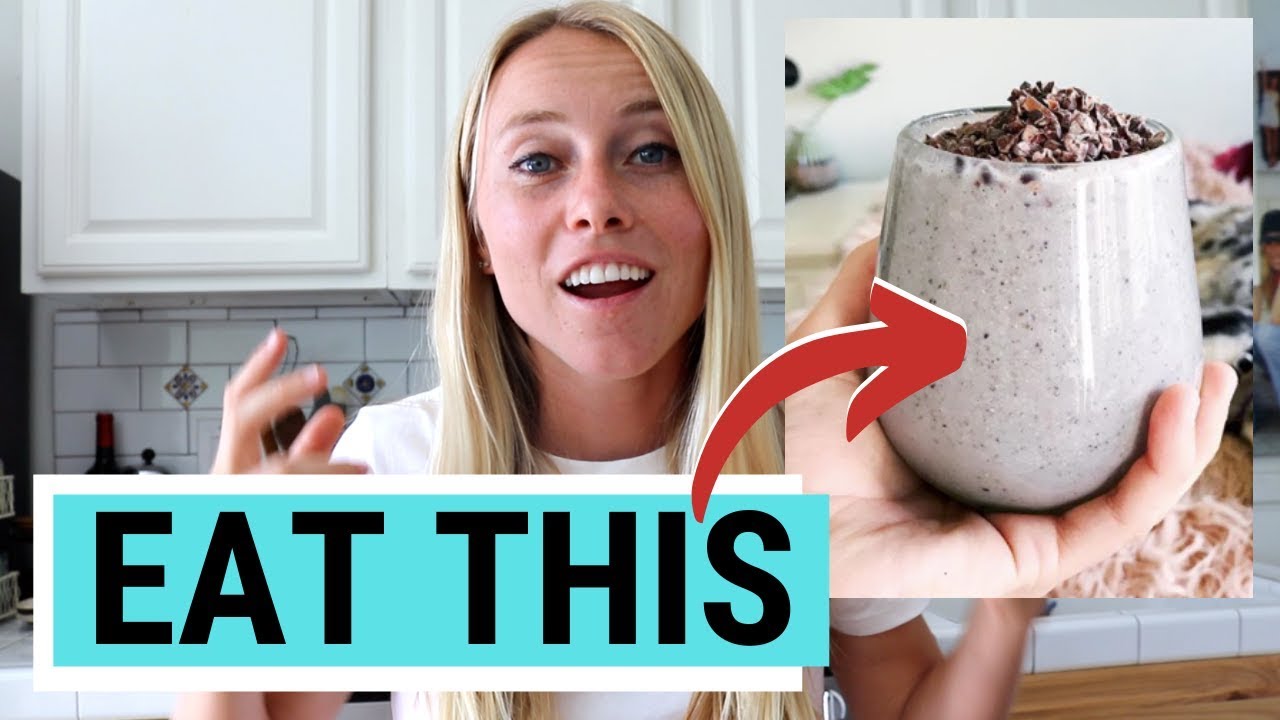
If you want the Smoothie Diet 21 day program to feel worth it, plan the transition before you start. Decide which meal becomes “your default,” and what you will do when you’re stressed, invited out, or busy.
Who tends to do well, and who should be cautious
This program can suit people who prefer guided structure. It also tends to work better when someone enjoys smoothies and isn’t secretly relying on “cheat days” to get through the week.
That said, it may not be a great fit if you have a history of disordered eating, since liquid meal plans can blur boundaries. It’s also worth caution if you have medical conditions that affect blood sugar, digestion, or kidney health, because changing diet composition can have real effects.
Here’s a practical way to judge fit:
- You can drink your smoothies slowly and feel satisfied, not frantic with hunger.
- You can track what goes into the blender, especially sweeteners and portion sizes.
- You have a transition plan for days after the program, even if it’s simple.
If you are consistently hungry, irritable, or exhausted, that’s your signal to adjust. Sometimes it means adding more protein, increasing fiber, or moving smoothie timing earlier in the day. Sometimes it means stepping back and choosing a different approach.
How to make the smoothies more weight-loss friendly
If you’re trying the healthy smoothie diet plan with weight loss in mind, focus on balance rather than only flavor.
One helpful checklist is to aim for smoothies that include: - Protein (often from ingredients like Greek yogurt, cottage cheese, or protein powders if tolerated) - Fiber (from fruits plus vegetables and chia or flax) - Healthy fats in reasonable amounts (to stay full without adding surprise calories) - Low or controlled sweetness (especially avoiding “juice-only” thinking)
Keeping those anchors in place helps prevent the most common issue: smoothies turning into dessert.
The trade-offs that matter for real life
The Smoothie Diet 21 day program can be convenient, but it’s not effort-free. You still have to prep, blend, and handle social situations. If you live with other people, you may end up doing separate cooking, or you might blend late at night because your schedule doesn’t match meal times. That friction matters.
Another trade-off is training your brain. After a while, “smoothie time” becomes an event. Some people feel relieved because choices are simplified. Others feel trapped because they miss chewing and variety.
And then there’s the emotional layer. When weight loss is slow, it can mess with motivation, especially if the program is strict. If you decide to try it, I recommend tracking non-scale wins too, like steadier energy, fewer cravings, or better portion awareness. That way, you don’t miss the progress while waiting for the scale to catch up.
If the question is “Is it worth trying for weight loss?” the honest answer is yes for some people, no for others. It’s worth trying if you treat it as a structured, short-term reset and you plan the handoff afterward. It’s not worth it if you see it as a temporary fix with no follow-through, or if your smoothies are too sweet, too low in protein, or you do not tolerate the routine.
When the program aligns with your hunger patterns, your blender habits, and your plan for after day 21, it can feel like momentum you keep, not just a challenge The Smoothie Diet reviews you survive.